
5 Cell Phone Repair Business Headaches in 2025

5 Cell Phone Repair Business Headaches in 2025
What are the 5 Cell Phone Repair Business Headaches in 2025? The cell phone repair industry, while consistently in demand, is far from static. As technology rapidly evolves and consumer behaviors shift, repair shop owners and technicians face a unique set of challenges.

In 2025, several prominent “headaches” are emerging that demand strategic solutions for businesses not only to survive but to thrive. This article delves into five key pain points affecting the cell phone repair sector and outlines how industry leaders are adapting.
1. The Ever-Shifting Sands of Device Complexity and Design
One of the MOST persistent challenges in cell phone repair is the relentless pace of technological advancement. Each new smartphone generation brings a fresh wave of intricate designs, specialized components, and proprietary repair methods.
In 2025, this headache is exacerbated by the increasing prevalence of foldable devices, integrated components, and advanced waterproofing techniques.

Repairing these sophisticated gadgets requires not only specialized tools but also an in-depth understanding of complex schematics and delicate internal structures.
What was once a relatively straightforward screen replacement on an older model can now involve navigating layers of adhesive, tiny connectors, and sensitive sensors.
Without continuous training and investment in cutting-edge equipment, repair shops risk being left behind, unable to service the latest and most profitable devices.
2. Supply Chain Volatility and Part Sourcing Dilemmas
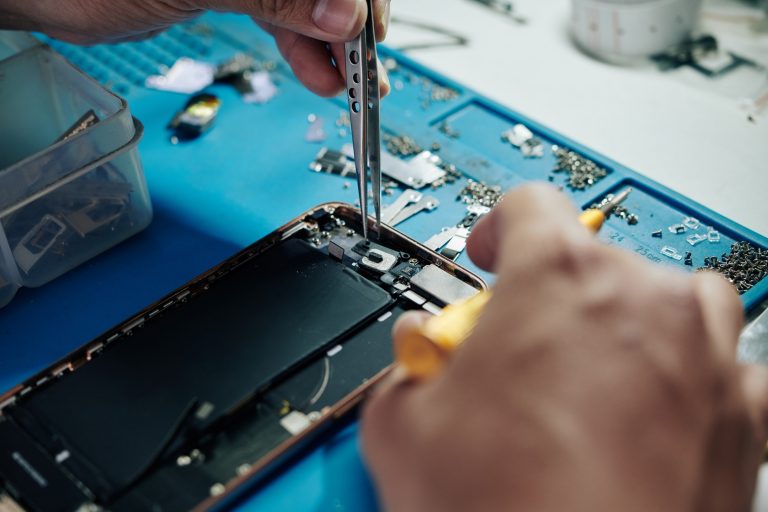
The global supply chain has faced unprecedented disruption in recent years, and the cell phone repair industry is no exception. In 2025, businesses continue to grapple with unpredictable lead times, fluctuating prices, and the challenge of sourcing high-quality, authentic replacement parts. Tariffs and geopolitical tensions further complicate matters, potentially driving up costs and limiting component availability.
The headache here isn’t just about obtaining parts; it’s about the consistency and quality of those parts. Inferior components can lead to repeat repairs, dissatisfied customers, and damage to a shop’s reputation.
Navigating a vast network of suppliers, vetting their reliability, and managing inventory efficiently are critical, yet often overwhelming, tasks. Shops must strike a delicate balance between cost-effectiveness and ensuring the integrity of their repairs, which can be a constant tightrope walk in a volatile market.
3. Fierce Competition and the Need for Differentiation
The cell phone repair market is highly competitive. From authorized service centers and big-box electronics retailers to independent shops and even DIY repair kits, customers have a multitude of options.
In 2025, standing out from the crowd is more crucial than ever. The headache of competition isn’t just about attracting new customers; it’s about RETAINING existing ones and building a loyal client base.

Many new entrants, particularly those with minimal training, can drive down prices, creating a race to the bottom that devalues the skilled work involved in quality repairs. To combat this, repair businesses must differentiate themselves through exceptional customer service, specialized repair offerings (like micro-soldering or data recovery), transparent pricing, and robust warranty policies.
Building a strong online presence, managing online reviews, and fostering community trust are no longer optional but essential for survival.
4. Evolving Customer Expectations and the Demand for Speed
Today’s consumers expect instant gratification, and when their most vital device breaks, their patience often wears thin. In 2025, customer expectations for cell phone repair are higher than ever, demanding not only quality but also speed and convenience.
The headache for repair shops lies in meeting these elevated demands while maintaining profitability and repair integrity.

Customers increasingly expect same-day repairs, particularly for common issues like cracked screens or battery replacements. The rise of mobile repair services and on-demand options further highlights this shift.
Shops must optimize their workflows, manage their inventory strategically to ensure parts are readily available, and communicate transparently about repair timelines. Anything less can lead to frustration and a loss of business to more agile competitors.
Furthermore, customers are more informed than ever, often researching issues online before even stepping into a shop, which means technicians need to be well-versed and confident in their diagnoses and solutions.
5. Keeping Up with Software and Diagnostic Tools
Beyond hardware, the software landscape of mobile devices is constantly evolving, presenting another significant headache for repair businesses. Operating system updates, new diagnostic protocols, and complex software glitches require technicians to be equally adept at software troubleshooting as they are with hardware repairs.
In 2025, the integration of AI-powered diagnostic tools is beginning to shape the industry. Requiring technicians to adapt to new methodologies.
This means continuous learning is not just a suggestion but a NECESSITY. Repair shops must invest in the latest diagnostic software, stay updated on the intricacies of various operating systems (iOS, Android, etc.), and understand how software issues can mimic hardware failures.
The ability to perform advanced software repairs, data recovery, and even unlock devices adds significant value and revenue streams. But it demands ongoing education and a commitment to staying ahead of the curve.
CellBotics: Your Solution to These Headaches in 2025
Navigating these five headaches in the cell phone repair business of 2025 requires more than just good intentions. It demands professional training, up-to-date knowledge, and a STRONG FOUNDATION in business practices.

This is where CellBotics in-person cell phone repair course becomes an invaluable asset for aspiring repair professionals.
CellBotics provides a comprehensive, hands-on training experience designed for beginners to equip with the skills and confidence needed to tackle the complexities of modern device repair.
Learn more about our in-person cell phone repair course here: https://cellbotics.com/cellbotics-in-person-courses/
To register for a class, click here: https://cellbotics.com/sign-up-for-class/

By investing in a CellBotics in-person cell phone repair course, individuals gain not only the technical proficiency required for the evolving industry but also the business acumen to overcome the significant challenges of 2025.
Thank you for reading my blog,
Nicole Russell